 Reviews

 Proudly American
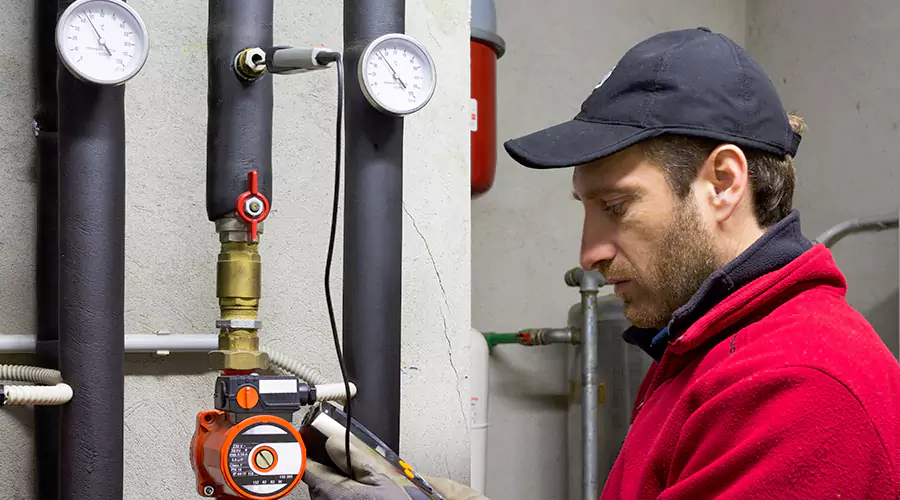
Low water pressure can make showers miserable, slow down laundry, and turn simple tasks like rinsing dishes into a hassle. The cause might be something small, like a clogged aerator, or something bigger, like a failing pressure regulator or a leak. The key is to figure out whether the issue is local to one fixture or affecting the whole house.
Below are 7 common reasons your water pressure is low, along with practical checks you can do before calling a plumber.
1) A Faucet Aerator or Showerhead Is Clogged
This is one of the most common and easiest fixes. Over time, mineral deposits and debris collect in the small screen at the end of a faucet or inside a showerhead.
Signs
- Low pressure at one faucet only
- Pressure improves at other faucets
- Spray pattern looks uneven or messy
What to do?
- Unscrew the aerator or showerhead.
- Rinse out debris and soak it in white vinegar for 20 to 30 minutes if there is mineral buildup.
- Reinstall and test.
If this solves the problem, you likely do not have a whole house pressure issue.
2) A Shutoff Valve Is Partially Closed
If a shutoff valve is not fully open, it can restrict flow and cause weak pressure. This can happen after repairs or if a valve was bumped.
Valves to check
- Main water shutoff valve
- Water meter valve (if accessible)
- Fixture shutoff valves under sinks and behind toilets
What to do?
Turn valves fully open, then back slightly if needed. For ball valves, the handle should be parallel with the pipe when open.
3) The Pressure Reducing Valve (PRV) Is Failing or Set Too Low
Many homes have a pressure reducing valve that keeps incoming water pressure at a safe level. If it fails, is set too low, or requires water leak repair, it can cause low pressure throughout the house.
Signs
- Low pressure at every fixture
- Pressure changes randomly, sometimes higher, sometimes lower
- Problem started suddenly without other explanation
What to do?
If you have a PRV near where the water line enters the home, it may need adjustment or replacement. This is usually best handled by a plumber, especially if your valve is old or corroded.
4) Mineral Buildup or Pipe Corrosion
In areas with hard water, minerals can coat the inside of pipes and narrow the passage over time. Older galvanized steel pipes can corrode internally and restrict flow.
Signs
- Pressure gradually got worse over months or years
- Certain fixtures are worse than others
- Rust colored water may appear at times
What to do?
- Clean aerators and showerheads first.
- If the home has old galvanized pipes and pressure is consistently poor, repiping may eventually be needed.
- A plumber can evaluate whether buildup or corrosion is restricting your supply lines.
5) A Hidden Leak in Your Plumbing System
A leak can reduce pressure because water is escaping before it reaches your fixtures. Leaks also raise water bills and can cause damage.
Signs
- Pressure drop that happens without warning
- Higher water bill with no change in usage
- Sounds of water running when nothing is on
- Damp spots, moldy smells, or warm areas on floors (for hot water leaks)
What to do?
A quick check:
- Turn off all water use.
- Look at your water meter. If it still shows movement, you may have a leak.
Leaks in walls, under floors, or underground should be handled quickly.
6) A Clogged Whole House Filter or Water Softener Issue
If your home uses a whole house filter, it can clog as it catches sediment. A clogged cartridge restricts flow and creates low pressure everywhere.
Signs
- Pressure drops after installing a filter or after a long period without changing it
- Pressure is low at all fixtures
- Filter change schedule is overdue
What to do?
- Replace the filter cartridge.
- Check that any bypass valves are in the correct position.
- If you have a softener, confirm it is not stuck in a regeneration cycle or restricting flow.
7) City Supply Problems or Peak Demand
Sometimes the issue is not in your house. Municipal water supply pressure can drop due to maintenance, water main issues, or heavy neighborhood demand.
Signs
- Neighbors report the same problem
- Pressure is worse at certain times, like morning or evening
- You recently saw utility work nearby
What to do?
- Test pressure at different times of day.
- Contact your local water provider if the issue persists.
How to Tell If It Is a Whole House Problem?
Use this quick test:
- Check multiple fixtures in different rooms.
- If only one faucet is weak, suspect an aerator, cartridge, or local shutoff.
- If everything is weak, suspect the main shutoff, PRV, filter, leak, or supply issue.
Quick Troubleshooting Order
If you want a fast plan, follow this order:
- Clean aerators and showerheads
- Confirm fixture shutoffs are fully open
- Confirm main shutoff is fully open
- Replace whole house filter if you have one
- Check meter for possible leak
- Consider PRV issues or pipe restrictions
- Check for city supply problems
When to Call a Plumber?
Call a plumber if:
- Low pressure affects the whole house and simple checks do not help
- You suspect a hidden leak
- Pressure swings up and down often
- You have old corroded piping and pressure keeps getting worse
FAQ
Is low water pressure the same as low water flow?
Not always. Pressure is the force in the pipe, while flow is the amount of water delivered. Clogs and buildup can reduce flow even if pressure is normal.
Can low pressure damage appliances?
Low pressure usually does not cause damage, but it can make appliances perform poorly. High pressure is typically more damaging.
Final Takeaway
Low water pressure usually comes from one of a few common causes: clogged aerators, partially closed valves, a failing pressure regulator, mineral buildup, leaks, clogged filters, or city supply issues. Start with the easiest checks, then work toward bigger causes. With the right troubleshooting steps, you can often find the problem quickly and restore normal pressure.